Main menu

  • About
    • Leadership
    • Our Team
    • Vision, Mission and Values
    • Health and Economic Impact
    • Strategic Plan
    • News and Stories
    • Careers
  • Research
    • Research Focus
      • Brain Health
      • Cancer
      • Digital Health and Artificial Intelligence
      • Healthy Aging and Mobility
      • Immune System
      • Injury and Rehabilitation
      • Lung Health
      • Mental Health and Substance Use
      • Other Research Focus Areas
    • Research Centres and Programs
      • BC Centre on Substance Use
      • Centre for Aging SMART
      • Centre for Clinical Epidemiology and Evaluation
      • Centre for Lung Health
      • Dilawri Cardiovascular Institute
      • Djavad Mowafaghian Centre for Brain Health
      • International Collaboration On Repair Discoveries
      • M. H. Mohseni Institute of Urologic Sciences
      • Ovarian Cancer Research Centre
      • Community Research Program
      • Emergency Medicine Research Program
      • Hematology Research Program
      • Skin Research Program
    • Research Cores
      • Clinical Trials Platform
      • VCH-VCHRI AI Hub
      • Indigenous Health Research Unit
    • Researcher Directory
    • Events and Workshops
    • Participate in Research
  • Research Services
    • New to VCHRI
      • Working at VCHRI
      • Regulations and Training
      • Membership with VCHRI
    • Research Development
      • Awards and Funding
      • Research Facilitation
      • Grant Management
      • Learning and Development
    • Contracts and Compliance
      • Contract Facilitation at VCHRI
      • Operational Approval
      • Research Privacy
      • Clinical Trials Administration
    • Research Support
      • Communications and Media Relations
      • Financial Policies and Procedures
      • VCH-VCHRI AI Hub
    • Internal Awards
    • Clinical Research
    • Indigenous Research
  • Clinical Trials
    • Clinical Trials Platform
      • Phase 1 Clinical Trials Research Unit
      • Hematology Research Unit
      • Clinical Research Unit
    • Find a Study
    • Researcher Directory
  • Participate in Research
    • Reasons to Participate
    • Participant Stories
    • Find a Study
    • Recruitment Support

User menu

  • Log in

Breadcrumb

  1. Home
  2. Research
  3. Participate in Research
  4. Better sleep could improve brain health among older adults

Better sleep could improve brain health among older adults

Stories Mar 8, 2019 3 minutes

New study examines the connection between sleep, cognitive function and brain health.

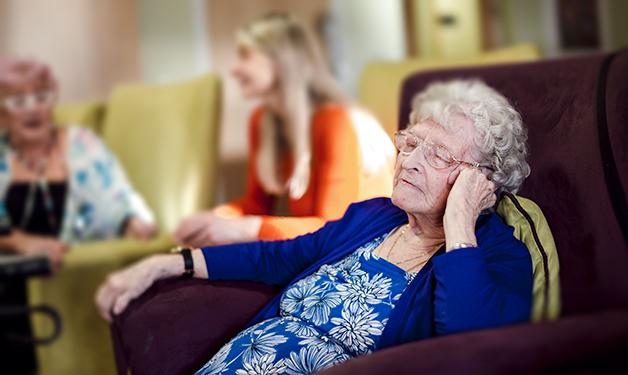
Getting a bad night’s sleep can do more than make us feel hazy and tired the next day. It can also contribute to the development of cognitive impairment and dementia, such as Alzheimer’s disease, particularly later in life. A new study led by Vancouver Coastal Health Research Institute (VCHRI) researchers Ryan Falck and Dr. Teresa Liu-Ambrose is examining interventions that could protect our cognitive function as we age. 

Over time, our body becomes less able to respond to stimuli, such as sunlight, and regulate our circadian rhythms—our 24-hour biological clock that helps us feel more alert during the daytime and sleepier at night—says Liu-Ambrose. These changes to our biological clock can lead to a vicious cycle wherein poor sleep leads to poorer cognitive health, which in turn causes even worse sleep.

“Few studies to date have shown whether interventions to support better sleep could translate into improved cognition.” 

Liu-Ambrose and Falck are leading a study, called Buying Time, with almost 100 adults 60 years of age and older from the Greater Vancouver area. They have an increased risk of developing dementia—a decline in cognitive skills and memory. The research study examines whether the sleep quality, cognitive performance and brain health of older adults will improve following a physical activity, sleep and bright light therapy program.        

Study participants were educated about sleep-related topics and given personalized exercise programs to increase their level of physical activity and reduce sedentary behaviour. They were also given an individually tailored bright light therapy box to use every morning to help realign their circadian rhythms. 
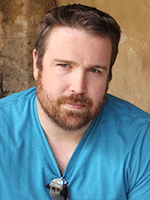
Ryan Falck is a PhD candidate with the Aging, Mobility and Cognitive Neuroscience Laboratory at the University of British Columbia (UBC), and the recipient of a 2018 VCHRI Rising Star award.

Participants’ physical activity levels were recorded using Fitbit wearable technology. They also used a MotionWatch8 wristwatch at night to record how quickly they fell asleep, how long they slept, if their sleep was restless and how often they woke up during the night.

Helping older adults age well with improved sleep

Research has identified a link between poor quality sleep and the conditions of dementia and Alzheimer’s—a degenerative disease that affects the brain—according to the Alzheimer’s Society. Previous studies have also shown that people who have dementia and Alzheimer’s are more likely to have poor sleep and feel tired during the day, adds Falck.

Even one night of sleep deprivation can affect our body’s natural ability to remove toxins from our brains. It is also a cumulative process whose repercussions are often felt years later, as age-related dementia typically develops over a span of 20 to 25 years.

“More than 50 per cent of older adults report experiencing poor quality sleep, and particularly the inability to stay asleep at night.” 

Poor quality sleep can also increase the likelihood of falls, which are a leading cause of morbidity and mortality among older adults, says Liu-Ambrose.
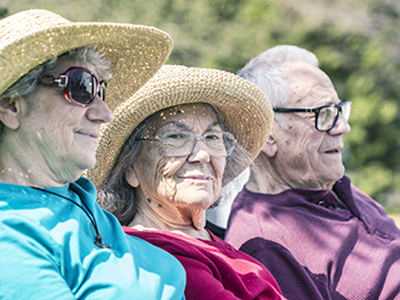
Because there is no known treatment for dementia or Alzheimer’s, taking preventative steps earlier in life is essential to increase our odds of aging well.

Liu-Ambrose and Falck plan to use the results of their Buying Time study to develop educational programs to help older adults improve their sleep quality and cognitive health.  

Dr. Teresa Liu-Ambrose is a professor at UBC and researcher with the Djavad Mowafaghian Centre for Brain Health and the Centre for Hip Health and Mobility. She is also a Canada Research Chair in Physical Activity, Mobility, and Cognitive Neuroscience.

“Protecting your sleep, exercising regularly and eating a healthy diet are like saving for your retirement,” notes Liu-Ambrose. “They can pay dividends in later life in the form of good health and a decreased risk of developing disease.” 
 

Researchers

Teresa Liu-Ambrose

Related Articles

Preventing falls saves seniors’ wellness and health care costs

Fitness app users make gains with carrots, not sticks

Behind the lab doors: BC Brain Wellness Program

Share:

  • Facebook
  • Linkedin
  • Twitter
  • Instagram
  • Email

Related Research Centres/Programs

Djavad Mowafaghian Centre for Brain Health

Get the latest research headlines in your inbox

Subscribe

Recent News and Stories

Type
Stories

Ask an expert: How can I strike a healthier balance with my daily habits?

Sep 10, 2026 mobility, exercise
Type
Stories

Moving endometrial cancer prevention upstream

Sep 8, 2026 endometriosis, women, preventative
Type
Stories

Improving respiratory protection for wildland firefighters

Sep 3, 2026 lung, safety
See more news

Get updates!

Join our newsletter mailing list to stay up to date on features and releases.

Subscribe

Quick Links

  • News and Stories
  • Careers
  • Events
  • Media Enquiries

Follow Us

  • LinkedIn
  • Instagram
  • Bluesky
  • YouTube

© 2026 VCHRI. All rights reserved.

  • Contact
  • Privacy Policy